Thursday, February 20, 2020

Day 1 of Filming, Raincheck

Our first day of filming was canceled due to the rain. There wasn’t enough of a break to be able to take our equipment out and film without worry. We immediately made new plans to accommodate this change in schedule. We moved the hours we planned to film to Monday instead of Saturday. Unfortunately, one of our main actors, a neighbor of mine, had conflicting plans that day. We decided we would take all we could on Sunday to make up for this, focusing on the shots she is in. To prepare for the next day, Madelene came over to my house so she could get used to the camera. I taught her some of the settings and how to focus and the like. She would be the main camera-operator. 
When the rain lightened up a little, we ventured out down the street with umbrellas. Of course, we didn’t take the camera with us in case it got wet, but we did take our phones so we could have camera reference. This street is the one that most of our film would take place. We did this so we could understand what angles and the like we both would want. As reality is different than the meager drawings on the storyboard, we quickly aligned our visions for what we would film, where, and how. I, as the director, told her what I envisioned, and she added her own details. Once we returned, we went over more details on the procedure of what we would film.
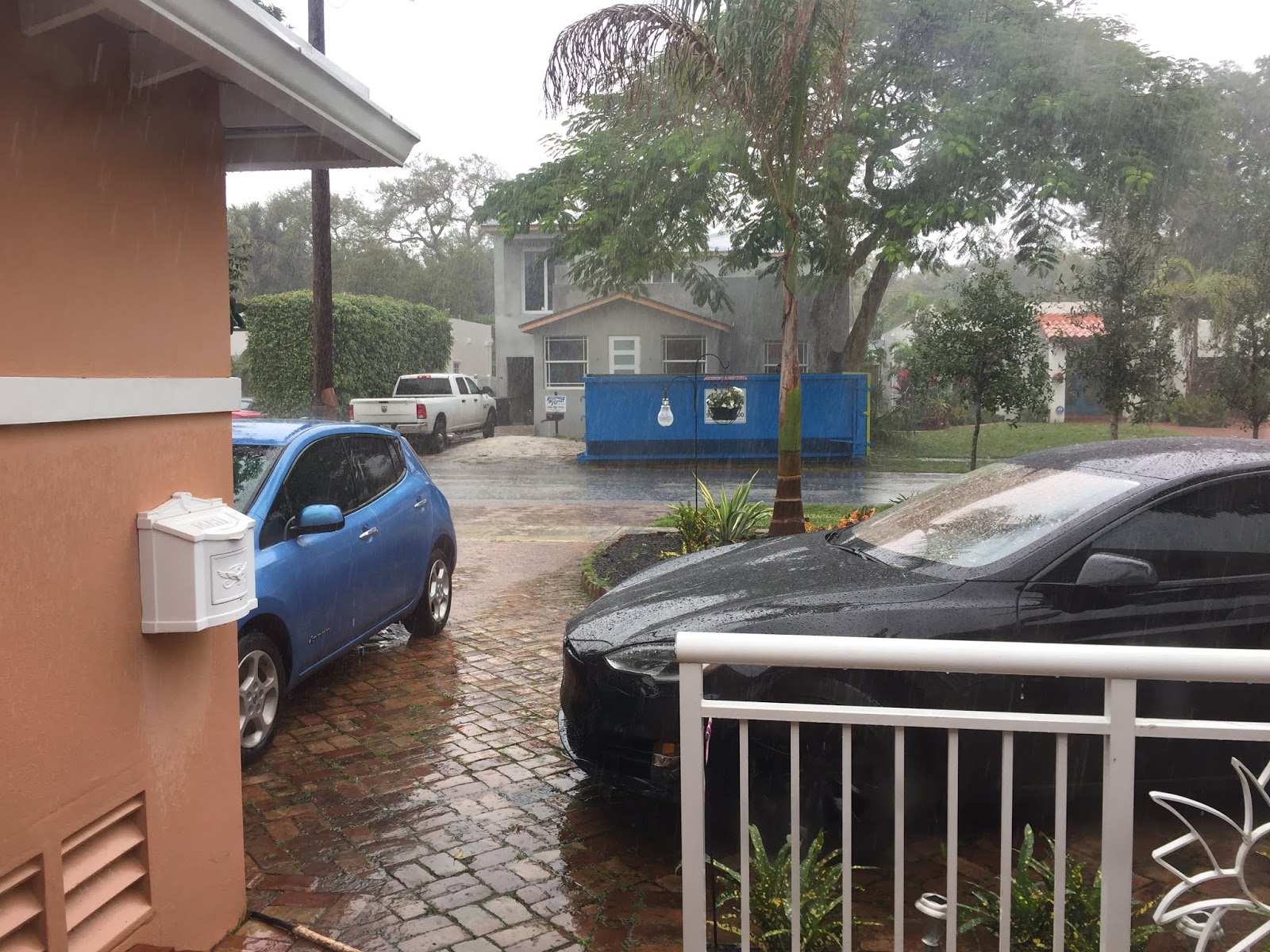
Once we finished that, I went and chose the costume that I would wear for the filming. I made sure to go over the other costume with the other actor via texting. That was all that we could do that day. Here is a picture of the rain outside, though the camera had a hard time capturing the rain:
Wednesday, February 12, 2020

Our Story Board!

This is our story board for our project. Each box is 3 seconds long, with 24 total boxes. At first we were going to have 6 seconds per box, but we decided to change it to capture more detail. The titles are in order, according to what we researched previously in title research. When doing the storyboard, we made a checklist of shots to use, as we progressed through we checked them off. In our storyboard, we have three characters, and 2 are featured: Jane and Rose. The two of them are set apart by their hair styles so we can know who is who when filming. The storyboard also describes where they are in relation to the streets we are filming on, so it is very clear. Additionally, camera angles, sound and acting cues are written into the note section for each box, to reference easily. The process of creating the storyboard was simple after doing it three times before this. We already had the scenes planned, so all we had to do was split them into 3 second intervals. First, Jane is shown to be jogging along, starting up her music. Then, passing a corner, she waves at her neighbours: Rose and her parent. The camera follows Jane across the street, but not without showing the neighbours disappearing, and tracks Jane to her house. Inside her house, Jane is then transported to a forest, and Rose is there as well. The two minutes ends with their reaction to the forest. Throughout the whole sequence we will try our best to subtly convey that something is wrong, using the white noise and smoke in the background.

Monday, February 10, 2020

Our plan for Health/Safety and Title Design

Safety was simple with this project. After the music video, we now have experience with these details so planning for possible missteps was easier this time around. Title design was a new one, though. There are many aspects to titles, which makes this process take longer. Sites like Watch the Title and Art of the Title really helped with knowing what to plan, like spacing and font. Currently, we haven't decided where the titles will appear on screen, this will come with the storyboard. Generally, everything we have planned has room to change and grow, but we hope that this is a solid base for our project to at least work off of.

Our Locations, Cast and Schedule Planning

Our first location is the house of one teammate, who has given consent for us to film there. We will be filming some of the streets, but mostly the sidewalk. In order to keep as many cars out of the frame as possible, we will be using specific angles to their best effect. We will also be filming the driveway, and inside the friend’s house. We will be moving the cars in the driveway, and clearing some things from the front door to get a cleaner shot. 
The second location is a nearby park. It is close to our first location, so it will be possible to film everything in one day because the commute is so short. The park is public, so we are allowed to film there, but we still plan on asking permission. We have a specific location at the park we want to film at, but if that space isn’t free then we have scouted out other possible places to film.

Casting was an easy process for this project. We have three characters who need actors, and one actor will be from our group. We kept the cast small because we wanted to keep scheduling conflicts to a minimum. As a backup plan, we have an understudy for Rose. The actor for Rose’s parent isn’t truly determined, but it isn’t the most important because the character isn’t the main focus of the film.

Scheduling was still difficult, even though we tried to keep the people involved with the project to a minimum. The actress for Rose might have to leave early into filming on Saturday, but time for this was built into Sunday just in case that happens. Since the weekend of filming will last 3 days, we might even get to start the editing process right after filming! Getting this project done quickly is important because we won’t be able to edit in class, only watch and take notes on ways to improve.


Thursday, February 6, 2020

Shooting Script

This is the shooting script! This is everything that we want to achieve each scene. Each scene is it’s own slide and the same scenes from the sound script. This includes more then just sound. It has lighting, dialogue, and the type of shot. We didn’t want to have a lot of dialogue, but there are a few lines. Most of this will depend on the acting skills of our actors. Editing is also included in this, and while there is some visual editing, most of the effects will be with the music and white noise. We also  will most likely have to change the specific angles and shots themselves, like the ones that require height or movement. We will try our best to stick to the script!

Sound Script

This is the sound script! That means that this will show all of the audio we plan to use. Of course, things might and probably will change. But this will be what we are trying to align to. The sound includes diegetic sound, background music, sound effects, and we will be messing around with white noise. Some examples include neighborhood noises, sizzling, dog barking, foot steps, and at least three different songs. I have contacted one of the artist for a song or two, though they haven’t replied back yet. Otherwise we have a friend that makes songs to fall back to. And royalty free music, though I’m not sure if we can find the right fit. We also have some tracks for the white noise.

Saturday, February 1, 2020

Edward Scissor-Hands Titles

How many titles are displayed during the opening sequences to the film?

There were 25 titles in the opening of this film. Each one had thin, wide spread lettering, titled at different angles and spinning lightly. The opening sequence was three minutes long.

What images are prioritized in the opening sequence? 

There are many things that get a few seconds in the opening, and, to be honest, I think that the main priority was the credits. Otherwise, it would be these little bits of important story items that we get a glimpse of. Some examples include hands, statues covered in cobwebs and cookies(to show the shapes that were made into with cookie cutters, key word made).

What connotations do the images carry?

With the opening shots focused more on the credits, the main shots are meant to complement them. Each shot is filled with referenced from later on in the movie, and so to a first time watcher, it is less important and provides a background for the titles.

How is genre reinforced through symbolic and technical codes from the outset?

Each image is desaturated and, old looking and mysterious. It starts as if entering an abandoned place with old, almost human looking machines at work. Then there are random flashes of cookies, the contrast putting emphasis on the shape, like how the cookies were created to be like that. Then there are these two, flesh bearing hands, which is most likely a reference to the non-flesh bearing hands that the main character has. Then there is an old mans face, asleep or dead, lying down. The three minutes end with snow falling and an epic castle in the background. All of these shots add to the creepy mood of the movie, and the things pictured in each shot establishes it as fantasy.

How does the film establish an enigma from the outset.

The shots in the film hint at something bigger, but never shows the audience the whole picture. This leads the audience into wanting to know the rest of the story, to understand the meaning of the shots from the opening.

What strategies are used to ensure the film appeals to its target audience?

This movie is most likely aimed at an adult audience. It reaches this particular audience by being simpler, and more barren with its opening credits and shots. Focusing on the titles can further interest older audiences because they would know the actors and producers, so they would most likely become more interested since the director is well known.

How has technology been used effectively? You want to consider camera angles, transitions and editing techniques.

For it’s time, the movie uses fading transitions and close ups to keep the opening’s flow. The music is erie and also connects each shot.